Services · Photography & film

Commercial real estate photography in Orange County.

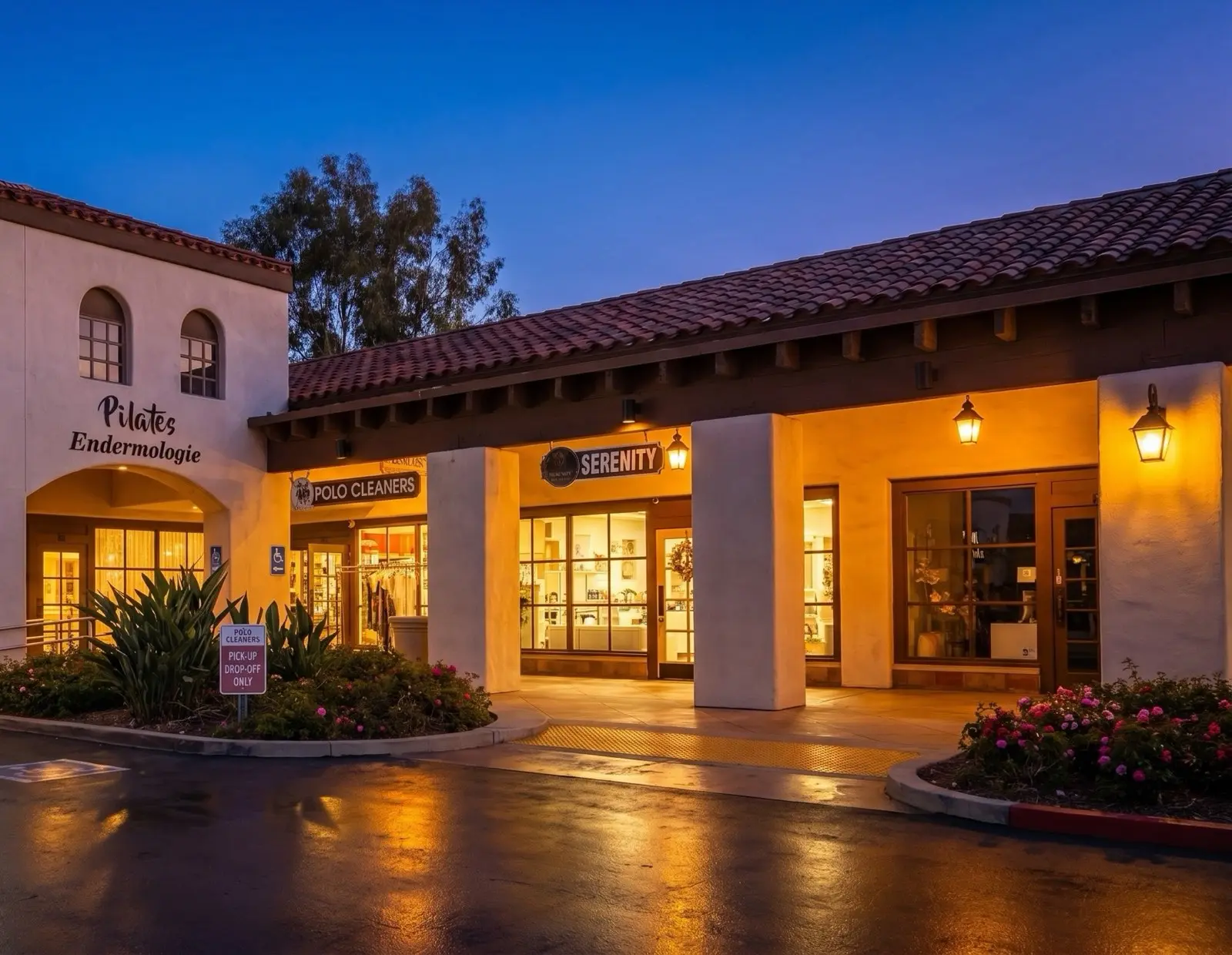
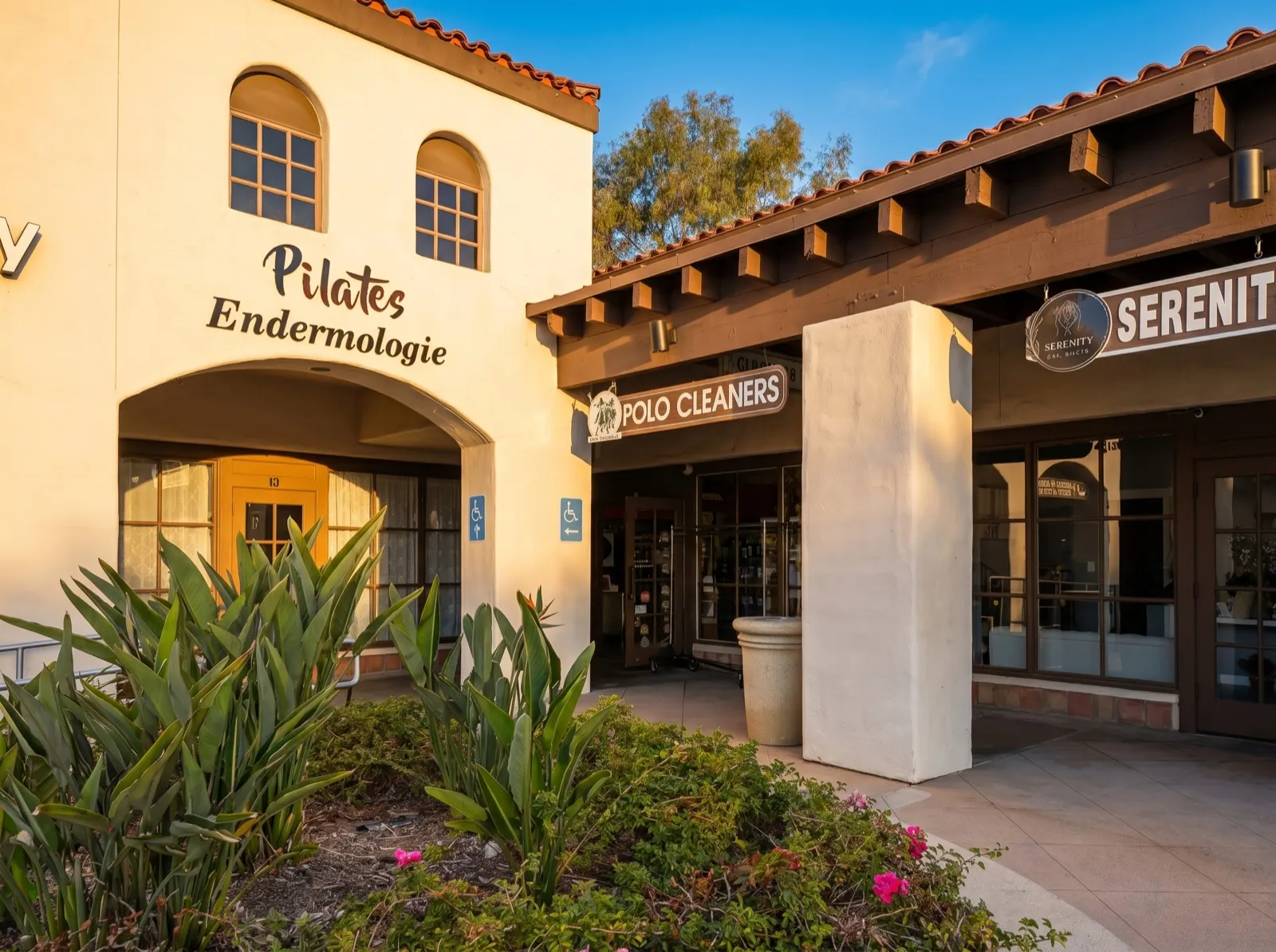
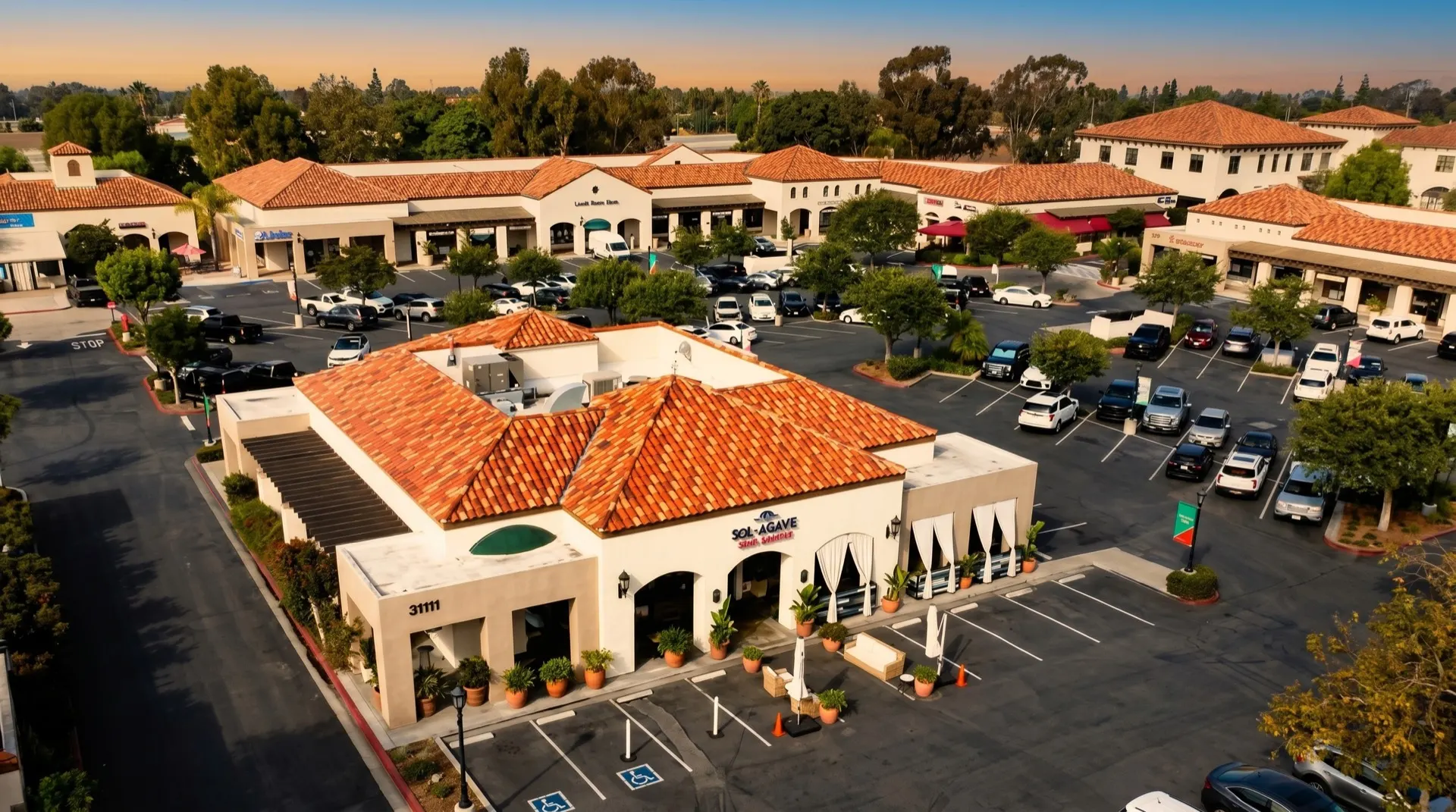
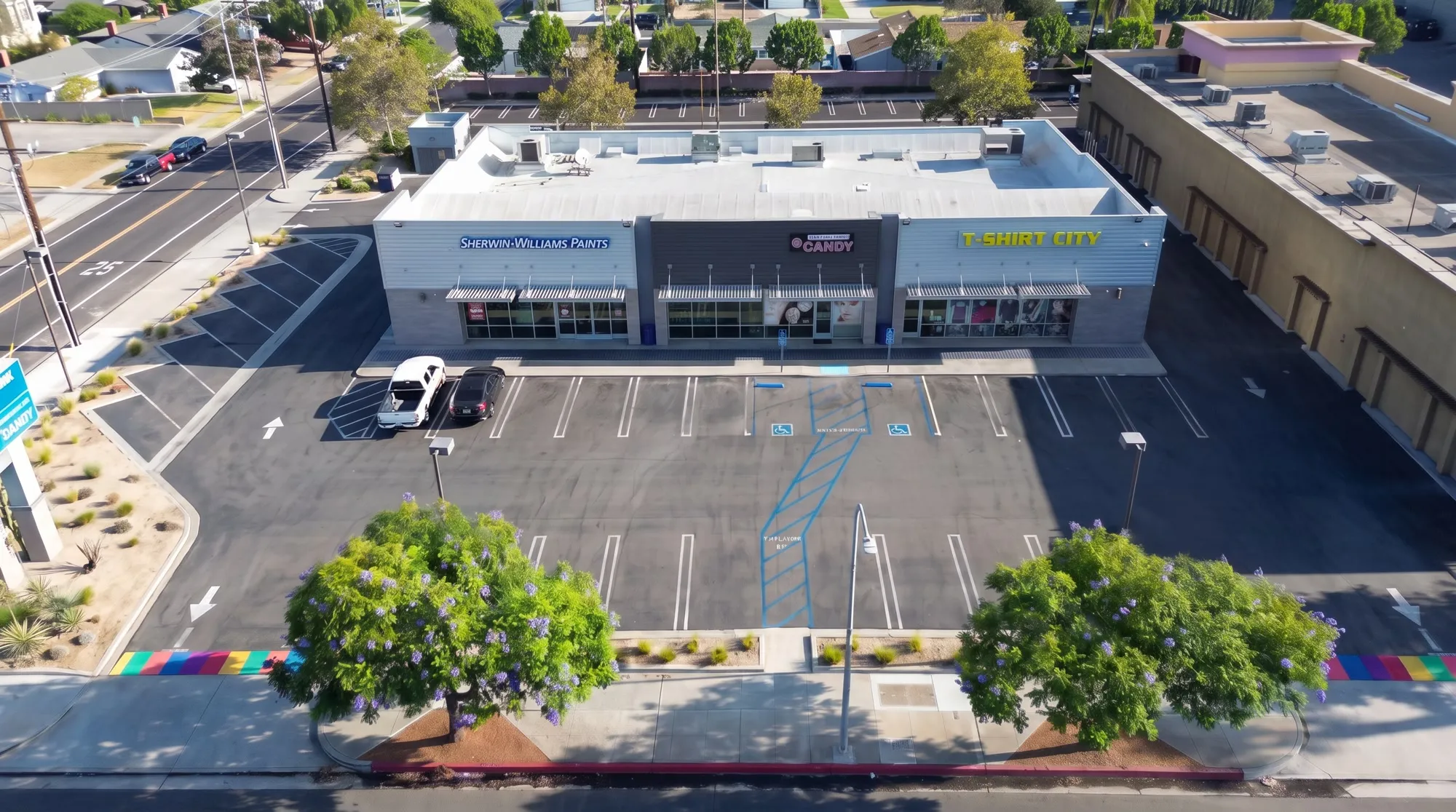
Stills of the building and each suite, drone aerials, twilight exteriors, walkthrough video, and 3D tours. Shot at your property, not pulled from a library. Every other piece we make — the flyer, the OM, the listing, the site — gets built from these files.

What a shoot covers

Retail, industrial, and office read differently

A retail center is sold on visibility, co-tenancy, and the corner — so the aerial and the streetfront do most of the work. An industrial building is sold on clear height, dock doors, and truck court, which means the camera has to show ceiling and turning radius rather than a pretty façade. Office is sold on the lobby, the light, and the floorplate. Shooting all three the same way is the most common reason a listing's photos feel generic.

What it looks like

The photography on the Marbella Plaza case study — a grocery-anchored center in San Juan Capistrano — is a full example: exteriors, twilight, every suite, drone, and film, produced in one engagement and then reused across the flyer, the trade-area maps, and the listing site. The 5801 Lincoln case study shows the faster version: a single corner suite in Buena Park shot, retouched, and out the door in three days.

Drones, airspace, and the boring part

Commercial drone flight in the US requires an FAA Part 107 certificate, and a good deal of Orange County sits in controlled airspace around John Wayne, Long Beach, and Fullerton. That means authorization before the flight, not after. It's routine, but it's the reason "can you fly it tomorrow" is sometimes a no. We handle the filing as part of scheduling.

How it works

  1. Send the address. We look at the property, the orientation, and what's vacant, then send back a shot list and a number.
  2. We shoot. Half a day on site for most centers, plus a dusk return if twilight is on the list.
  3. You get the files. Retouched, full resolution, usually within a week — yours to use anywhere, with no licensing terms attached.

What a shoot day actually looks like

We arrive before the light is right and walk the property first — the approach a customer takes, where the sun will be in two hours, which suites are accessible, what needs moving. That walk is usually twenty minutes and it decides most of the shot list.

Exteriors come first while the light is on the face of the building. Interiors follow, suite by suite, with lights on and blinds set consistently so the set looks like one property rather than eleven different days. Drone goes up when the air is calm, usually mid-morning. If twilight is on the list we leave and come back at dusk, because that window is about twenty minutes long and it cannot be faked in post.

What we need from you

What you get, and when

Retouched, full-resolution files in a shared folder, usually within a week of the shoot. Verticals corrected, exposure matched across the set, trash cans and stray cones removed where it is honest to do so. We do not add skies that were not there or erase a vacancy to make the center look full.

You also get a web-sized set, because full-resolution files are the reason listing photos take nine seconds to load on a phone in a parking lot. One round of revisions is included; in practice it is rarely used, because the shot list gets agreed before we shoot rather than after.

When it goes wrong

Weather kills twilight more often than anything else. Marine layer in the morning, high overcast at dusk — if the light does not show up, we come back, and we do not bill for the return trip. Airspace authorization is the other one: near John Wayne or Long Beach a request can take a few days, so the drone portion sometimes lands after the ground shoot rather than the same day.

Common questions

How long does a shoot take?

Half a day on site for most centers; an hour or two for a single suite. Twilight is a separate trip because the window is about twenty minutes. Files back within a week.

Do you fly drones legally?

Yes — FAA Part 107, with airspace authorization filed before the flight where it's required.

Do we need to empty the suite first?

Cleaner is better, but vacant suites shoot fine and we work around what's there. If a space is genuinely rough, virtual staging is a more honest fix than hiding it in camera.

Who owns the photos?

You do. Full files, any use, no expiry.

If you're weighing whether a shoot is worth it at all, we wrote a longer piece on what to shoot and what photography costs.

Start a project

Send us the address and what's vacant.