Insights
Does a home listing need its own website?
Not every listing needs one. A property website is worth building when you need a link you control. That applies to a higher-priced or distinctive home, and to a listing marketed before it reaches the MLS. It also applies when open house signs, printed brochures, emails and ads should lead buyers to your contact details rather than to a portal page.
Most buyers now find their home online, so the page they land on matters. The MLS and the portals it feeds will still carry most of the traffic. The website adds a complete presentation of the home in the order you choose, with one address you can print, post and share.
51%
of recent buyers first found the home they bought on the internet. 29% found it through an agent, and 4% through a yard or open house sign.
What a property website does that the MLS and portals do not
Every piece of marketing points to one address
- Sign and QR code
- Brochure
- Open house
- Text message
- Social media post
- MLS, with the unbranded tour, feeding the portals
Syndication gives a listing reach, but each portal decides the layout, the photo order and what appears around the home. A property website lets you set all of that. You can show the full photo set, the 3D tour, the floor plan and the video together, with a brochure download and a showing request that goes straight to you. The same address works on a sign rider QR code, on the brochure and in every social media post.
What should the website include?
Lead with what buyers value most. Photos and detailed property information top the list, well ahead of virtual tours and video.
What buyers rate “very useful” on listing websites
Anatomy of a listing website
- Photographs, in the order you choose
- 3D tour and floor plan
- Property details that match the MLS
- Neighborhood map, described factually
- Open house times and a showing request
- Brochure download
- Agent, brokerage and license numbers
- Photographs in a deliberate order, starting with the image that best represents the home.
- The 3D tour and floor plan, embedded so buyers do not have to leave the page.
- Property details: beds, baths, living area, lot size, year built, HOA information and the features that set the home apart, all matching the MLS listing.
- The neighborhood: a map and nearby places, described factually.
- Open house times and a showing request form.
- A brochure download for buyers who want the printed version.
- Your contact details, your license number and your responsible broker's name.
Build it for phones first. Most buyers search on a phone or tablet at some point, and many visitors will arrive from a text message, a social media post or a QR code. Keep the photographs sharp without making the page slow to load.
69%
of recent buyers used a mobile phone or tablet in their home search, and 81% of buyers aged 26 to 34.
Keep it accurate and compliant
Three rules for a listing website
Label altered photographsVirtual staging, virtual twilight and removed objects need a label and a link to the original in California.
Describe the home, not the buyerFair housing law bars ads that signal a preference for or against a protected class.
Show the license numberDRE Regulation 2773 lists a licensee’s own websites as first point of contact materials: show the eight-digit license number and the responsible broker’s name.
Describe the property, not the people who might live there. The Fair Housing Act, 42 U.S.C. 3604(c), makes it unlawful to publish an advertisement for the sale of a dwelling that indicates any preference, limitation or discrimination based on race, color, religion, sex, handicap, familial status or national origin. Plain descriptions of the home, the lot and the location avoid the problem. Phrases like “perfect for young families” do not.
Label altered photographs. Under Business and Professions Code section 10140.8, in effect since January 1, 2026, a digitally altered image needs a reasonably conspicuous statement on or next to it and a link to the original. On a website the licensee controls, the posting must include the unaltered version or link to it. Virtual staging, virtual twilight and removed objects count. Routine edits like exposure, white balance and cropping do not. Our guide to California AB 723 covers the details.
Show the license number. DRE Regulation 2773 lists websites owned, controlled or maintained by the licensee among first point of contact materials. They must show the eight-digit license number and the responsible broker's name, in type no smaller than the smallest type used for other text.
Use the right tour link in the MLS. CRMLS says a tour that shows your contact information or your brokerage's may only go in the branded field, and it allows up to two unbranded tour links and one branded. Put the unbranded tour in the MLS unbranded field and the branded version on the website.
Use the address as a domain, or a page on your site?
An address domain is easy to remember and to print on a sign. A page on your own website builds traffic to a site you will keep after the sale. Either works if the link is short, stays the same across every material, and is set up before anything is printed. Our guide to property website domain names compares the options.
Measure what it does
Track visits, where they came from, tour opens, brochure downloads and showing requests. Those numbers show the seller how the home is being marketed and tell you which materials are bringing people to the page. Our listing website analytics guide explains what to set up before launch.
What happens to the website after the sale?
After the sale: decide before launch
- Sold page
- Redirect to your website
- Taken down, links redirected
Decide this before launch. The website can change to a sold page with a short summary, redirect to your own website, or come down entirely. Keep the links in printed materials and social media posts working by redirecting rather than deleting. Our guide to property websites after a sale or lease covers each option.
Where Endcap fits
Endcap designs property websites for home listings as part of its residential listing marketing packages, which start at $1,500 and include photography, drone, a 3D tour, a brochure and social media content made from the same photographs. We agree on the deliverables and the total before the shoot.
Sources
- National Association of Realtors, 2025 Home Buyers and Sellers Generational Trends, April 2025, Exhibits 3-2, 3-4 and 3-6.
- 42 U.S.C. 3604(c), Fair Housing Act.
- California Business and Professions Code section 10140.8 (AB 723) and section 10140.6.
- California Department of Real Estate, Regulation 2773, amended March 28, 2019.
- CRMLS, Virtual Tours FAQ, February 2023.
Work with Endcap Design
Residential listing marketing
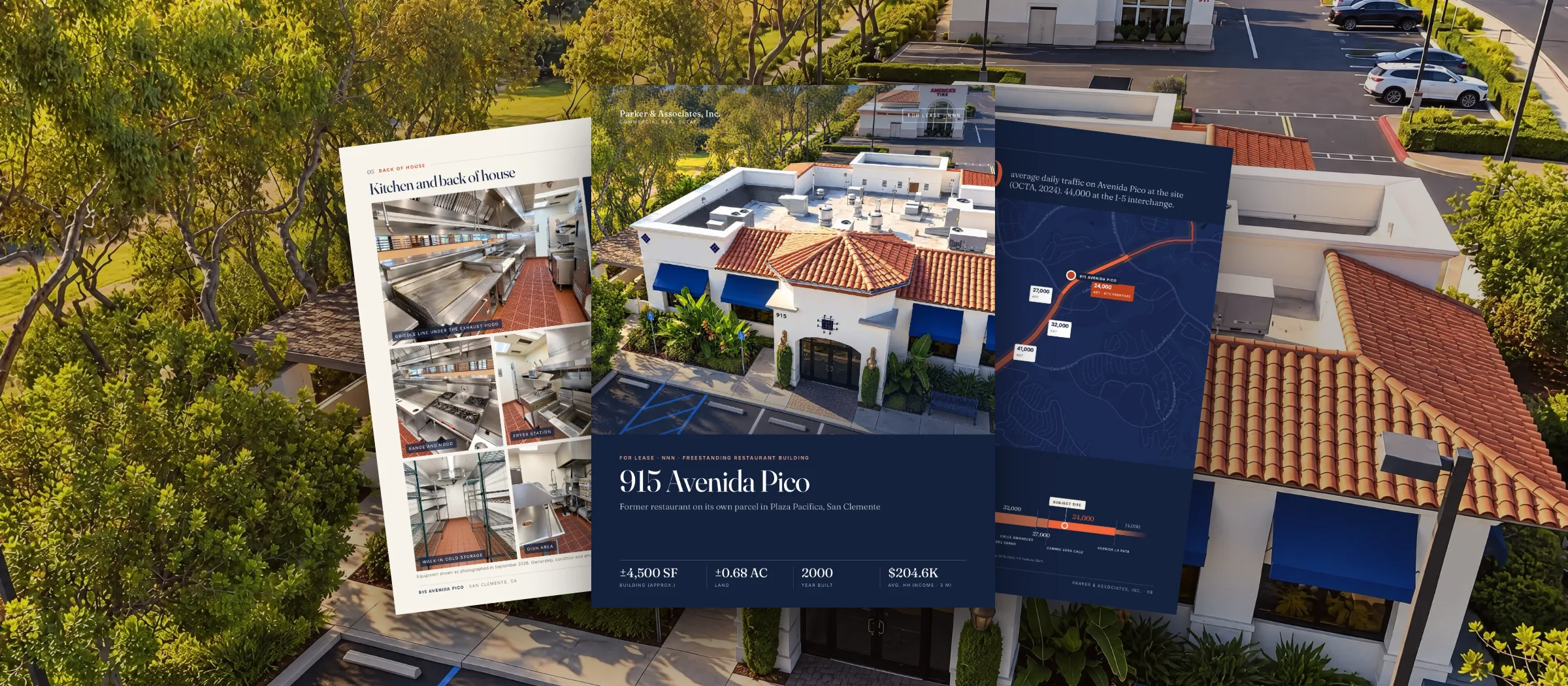
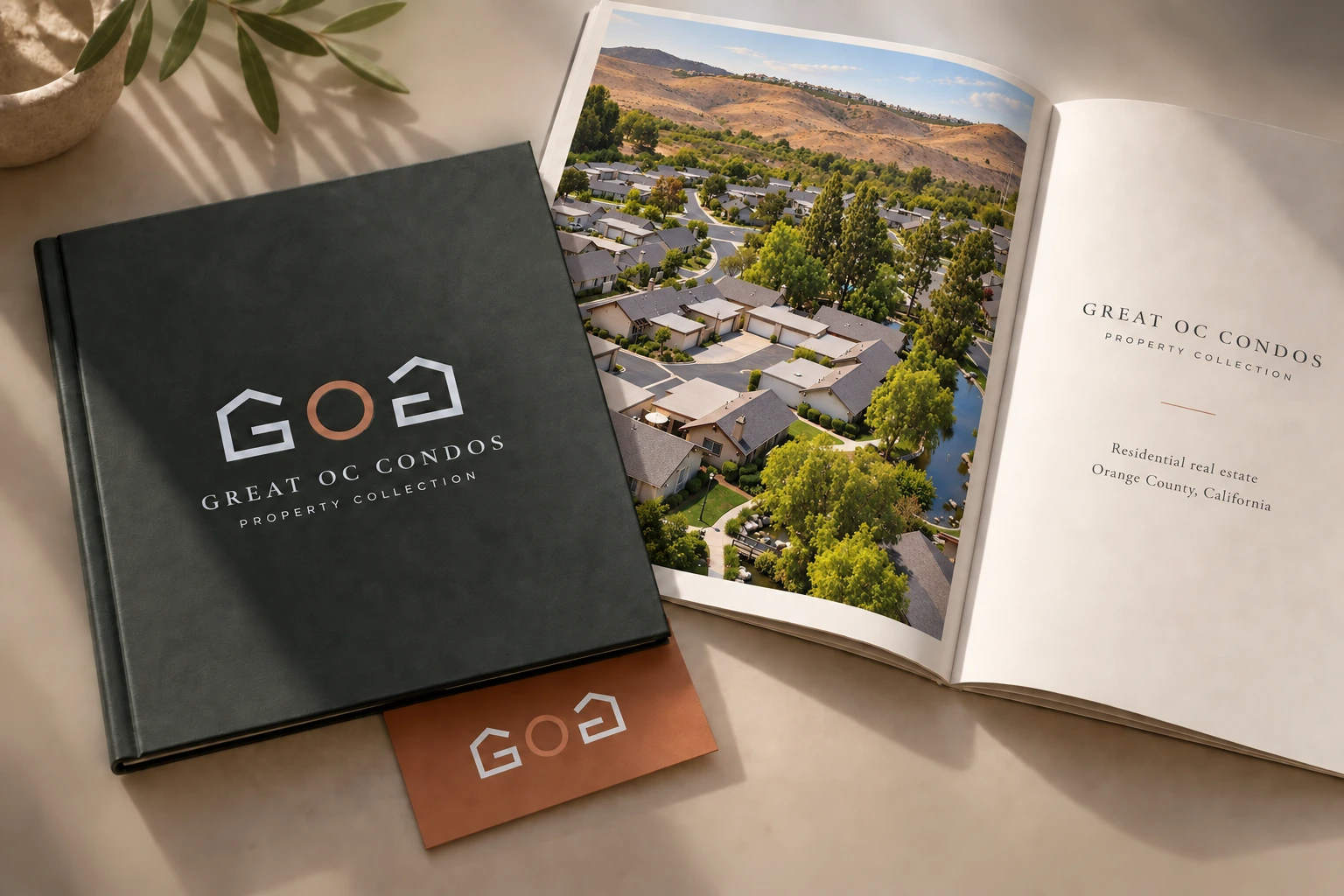
We plan and produce the marketing for a home listing: photography, drone, a 3D tour, a property website, a brochure, and social media content.
Included
- Photography, drone, and a Matterport tour, usually in one visit
- A property website and brochure designed for the home
- Social media posts and short videos made from the same photographs
Full packages from $1,500 · Quoted per listing, and any single piece can be ordered on its own
We agree on the scope, timing, and price with you before work begins.
Plan a listingOr call or text (425) 233-0769
See the full service ↗Contact Endcap
START A
project.
A website, a brochure, or a complete set of materials.
We’ll agree on the scope, timing, and price before starting.
Start a conversation or call or text (425) 233-0769